


„reperto“. „L‘ io è il pronome dell‘immaginario, il lui, che uso spesso, è il pronome della distanza.“
„Die Kraft, die ich hinterfrage, die ich beschwören kann, dieser Teil von mir, der mir durch die Verlockung der Fantasie vertraut ist: die Kraft des Begehrens oder, um genauer zu sein (da es hier um Forschung geht): die Figur des Phantasmas.“
Roland Barthes, Wie zusammen leben, Suhrkamp, Frankfurt am Main 2011, p. 39.
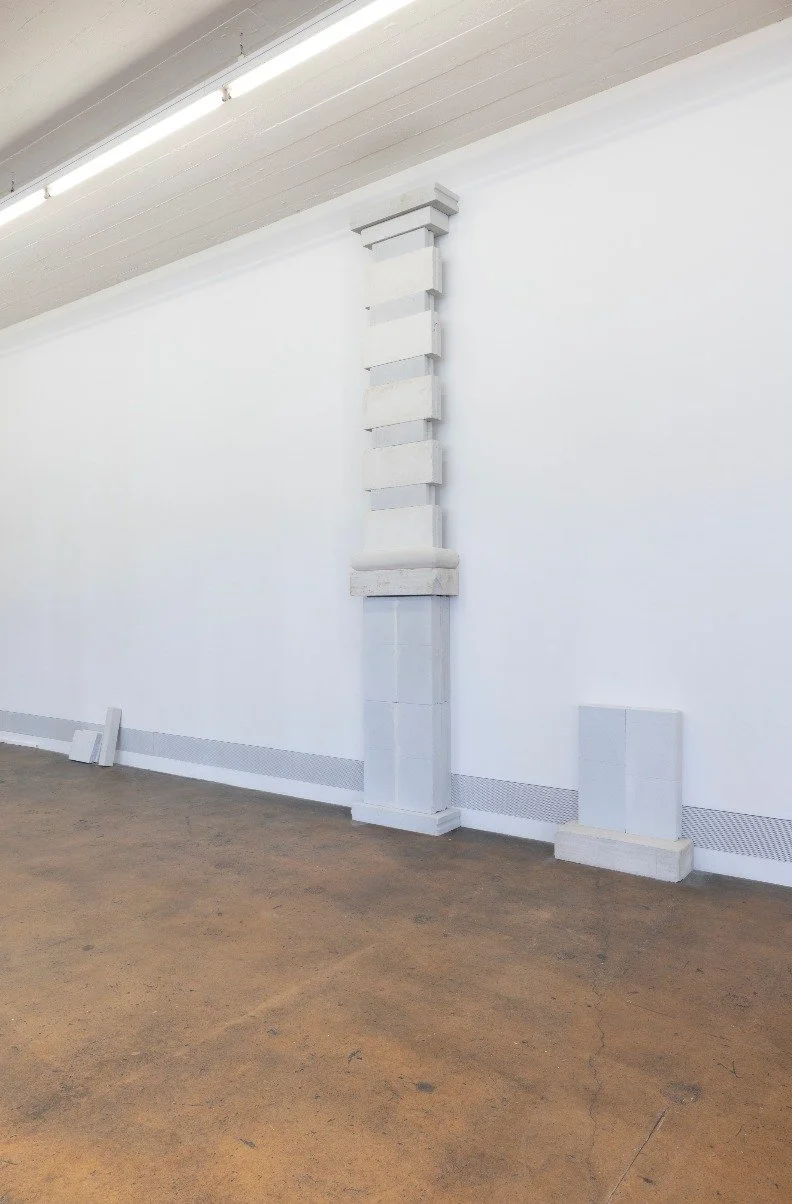
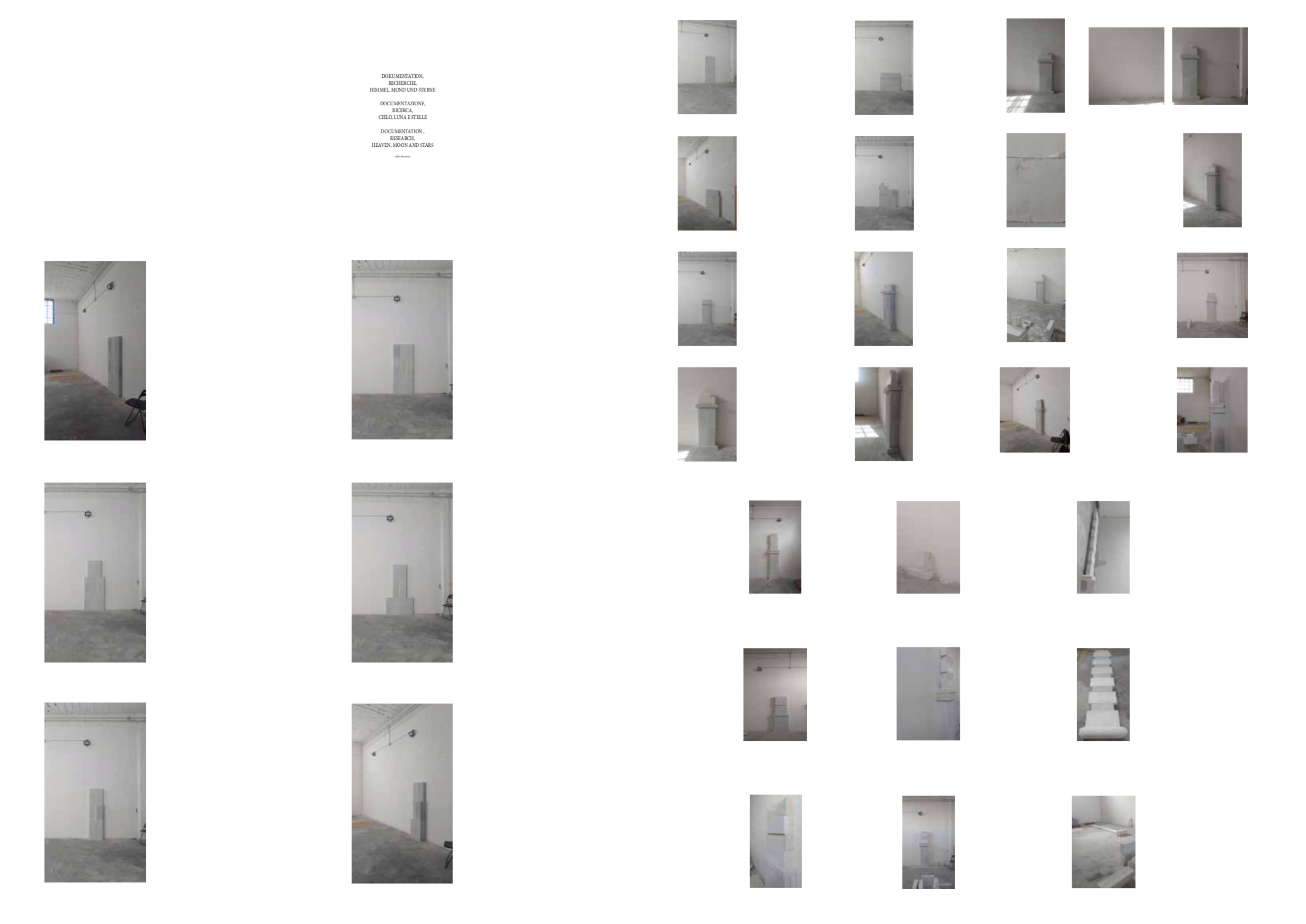
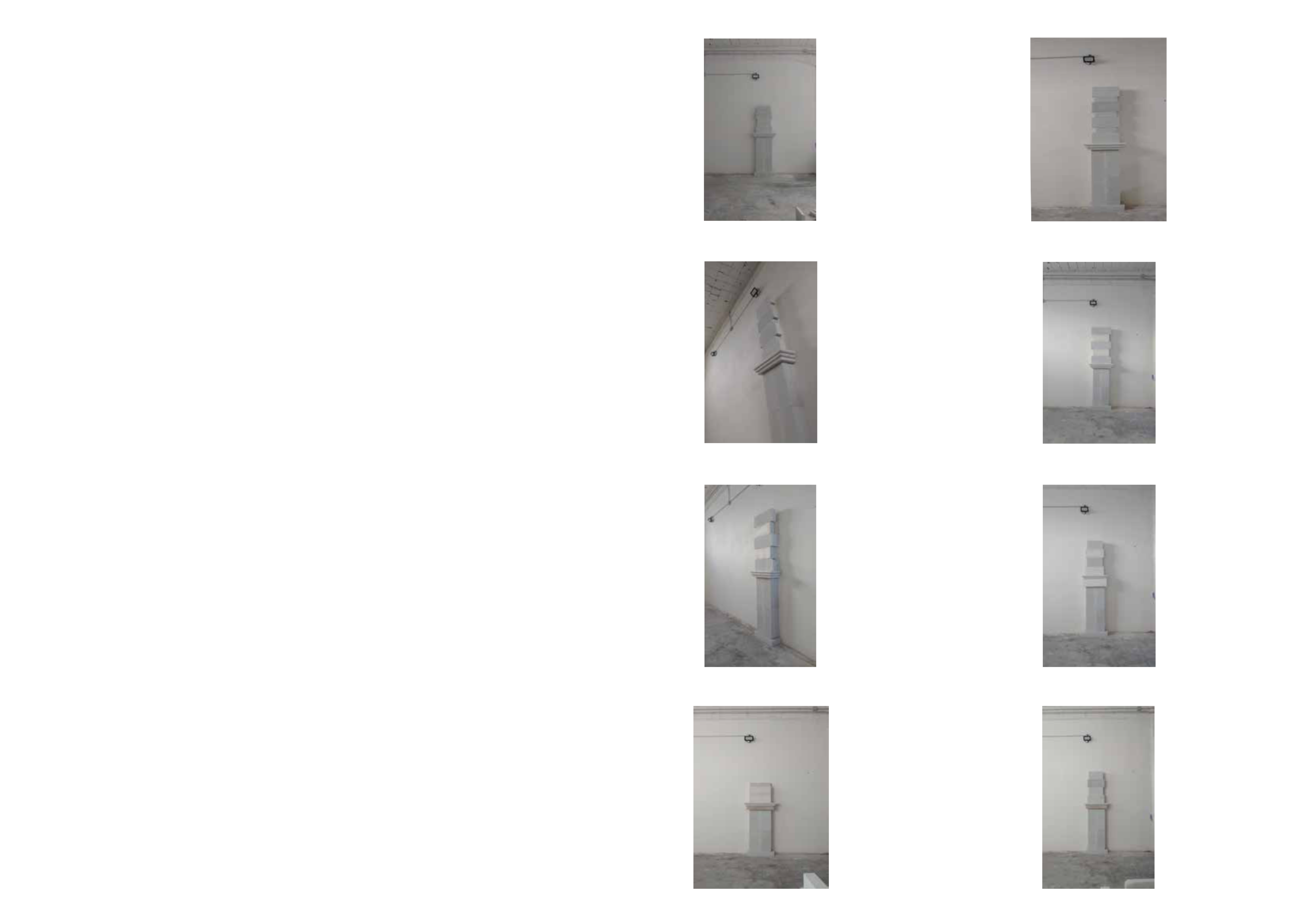
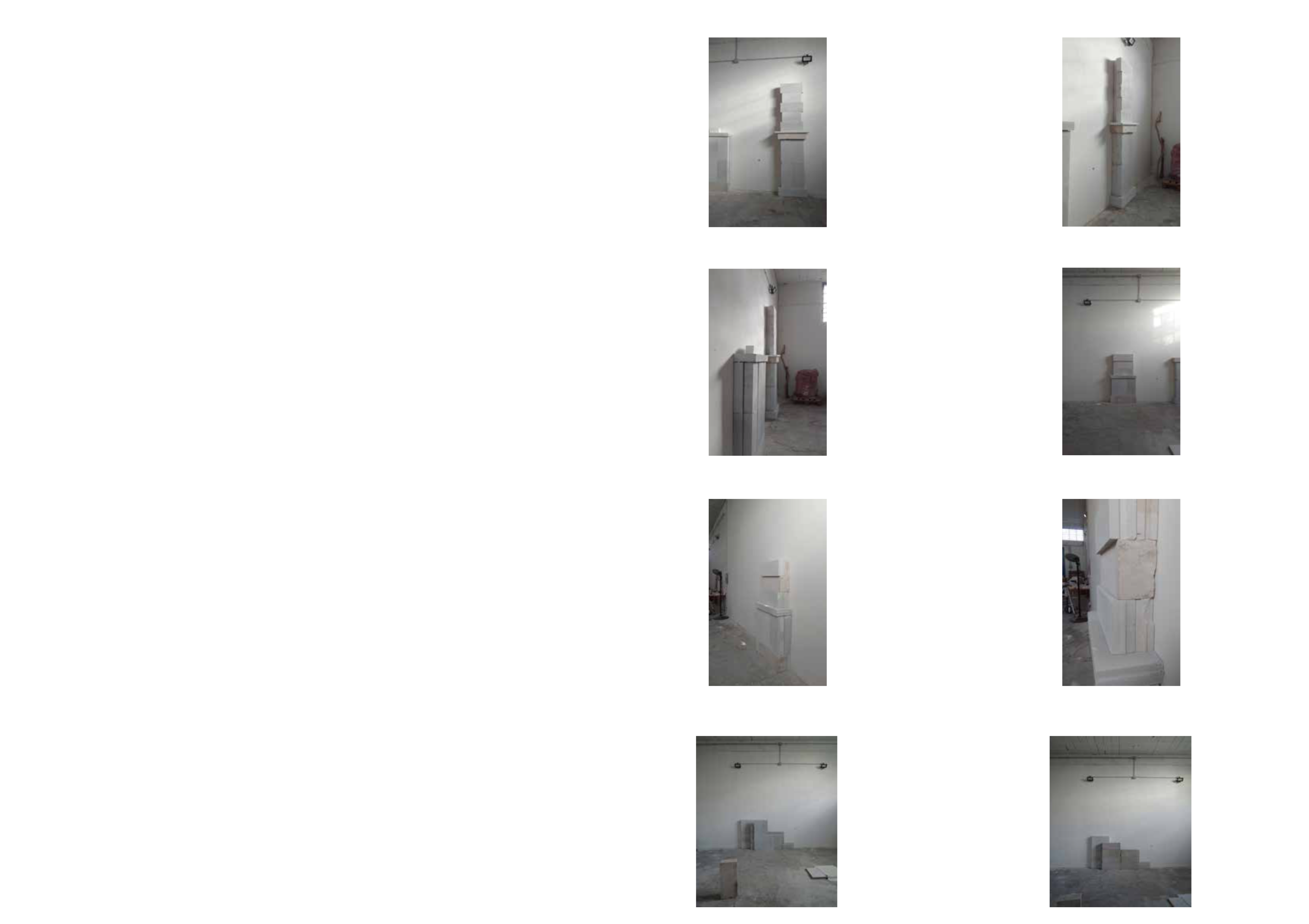
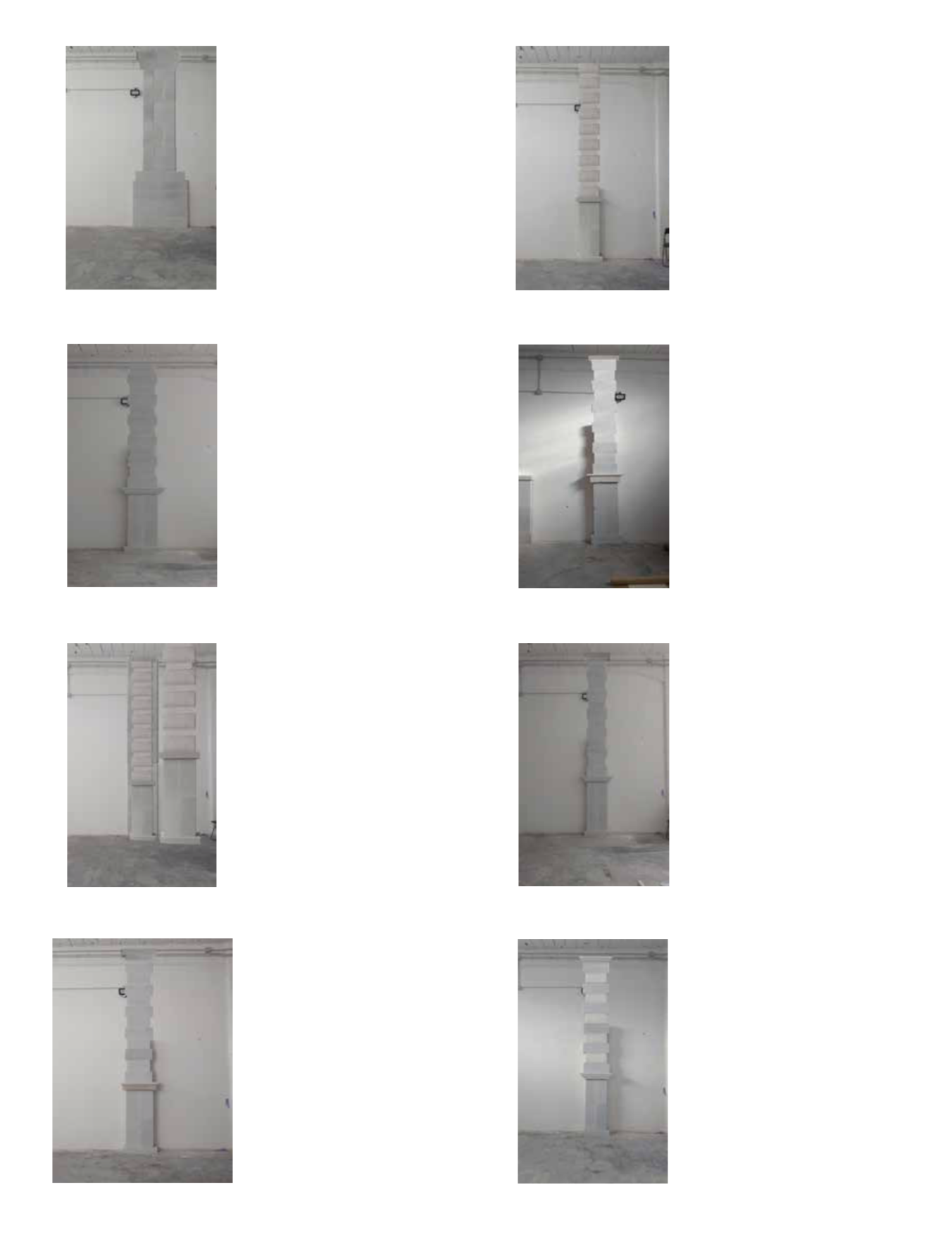
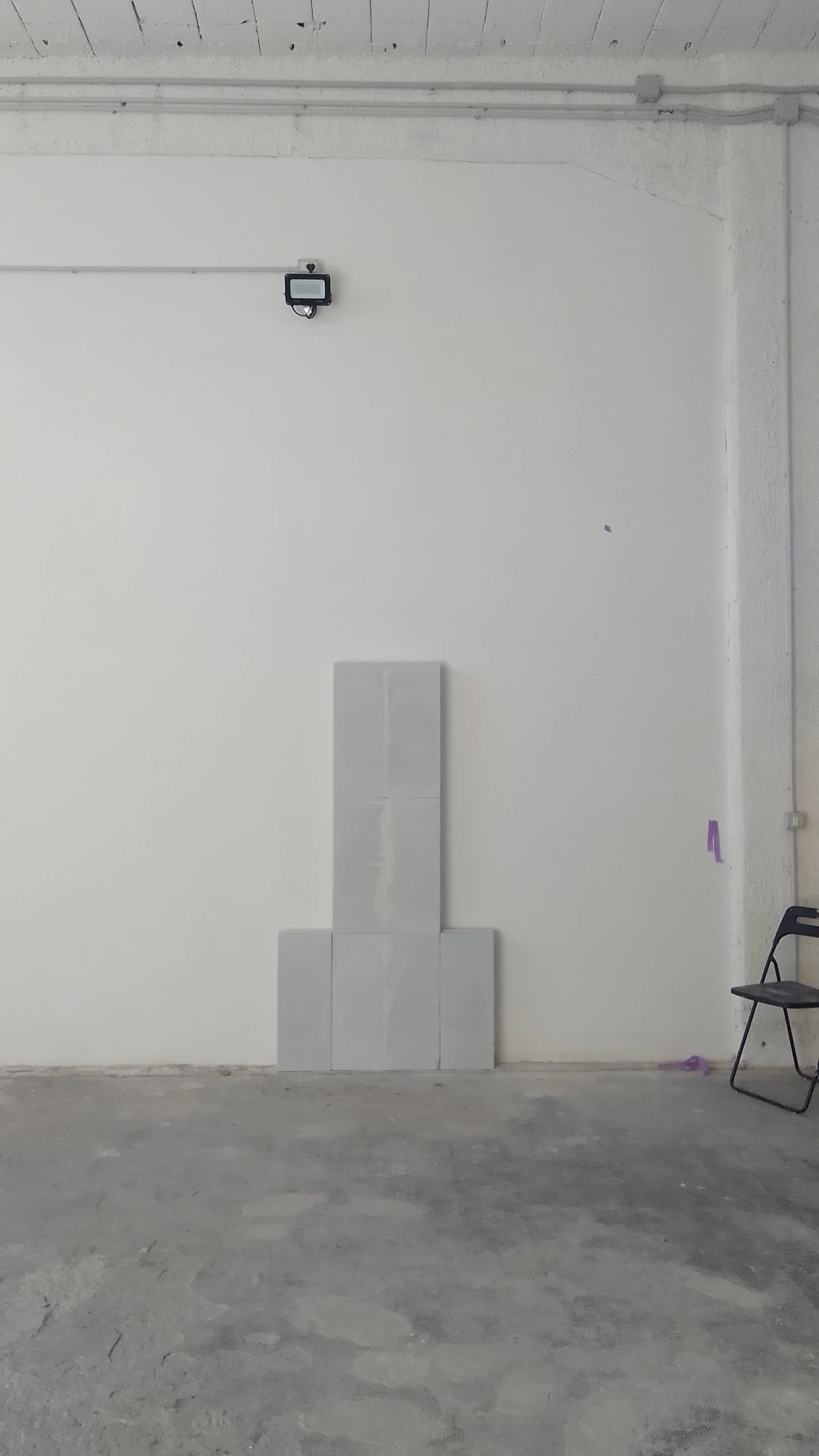
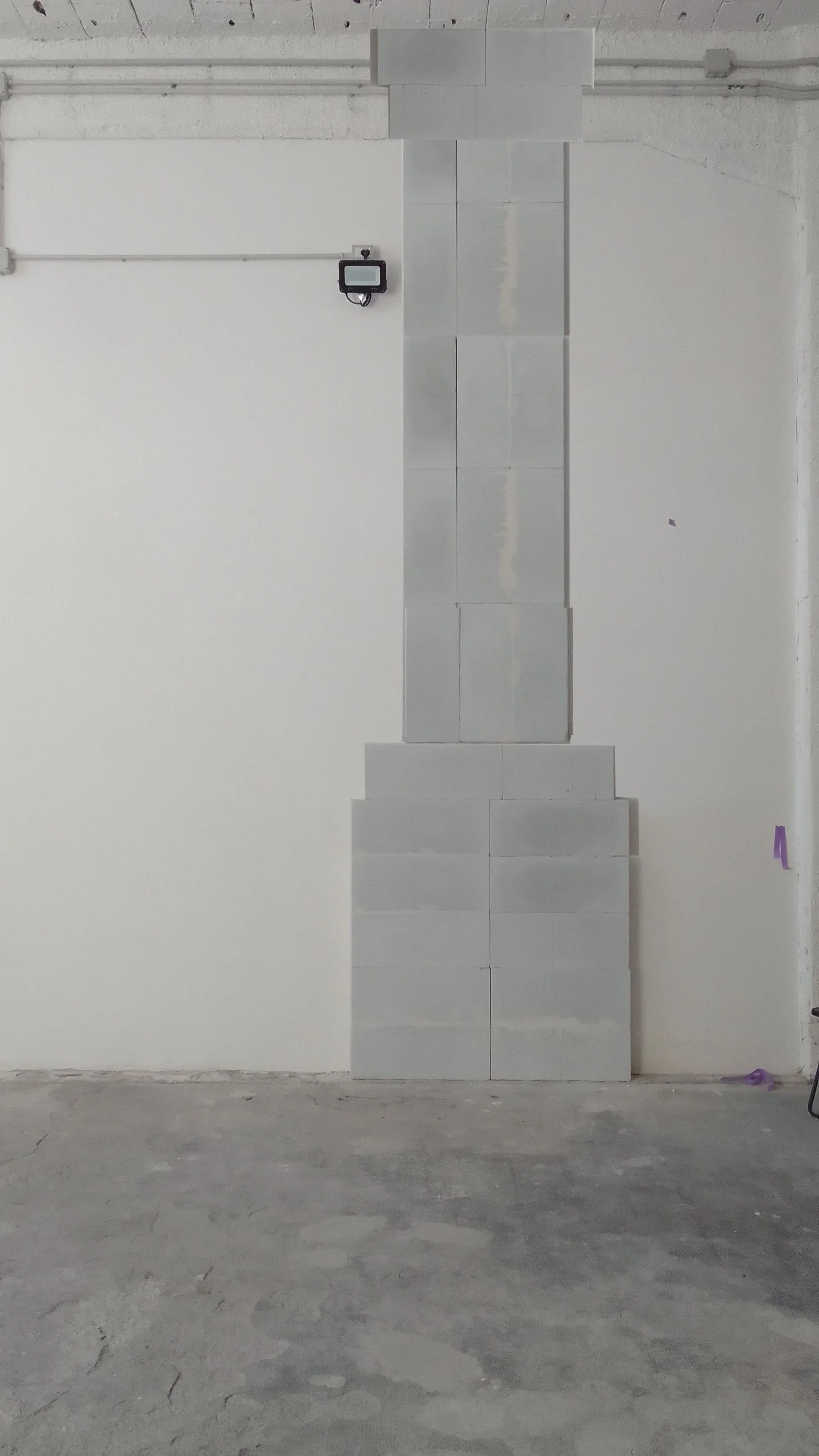
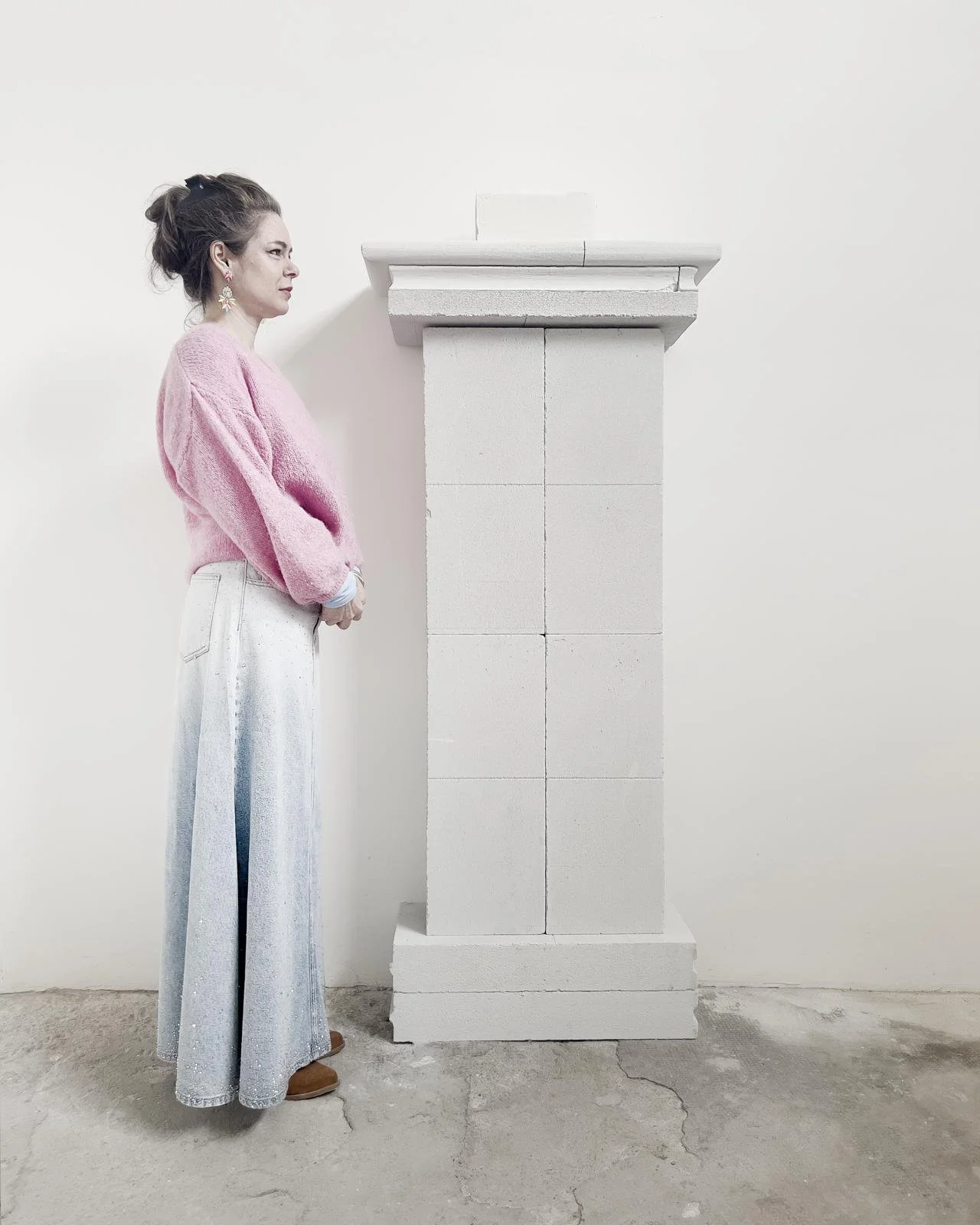
Variation 20 in exhibition view and Documentation Booklet (following pictures), at GroupShow Architektur, curated by Caspar Danuser at akku Kunstplattform Emmenbrücken, Switzerland
Photo credits Liv Burkhard
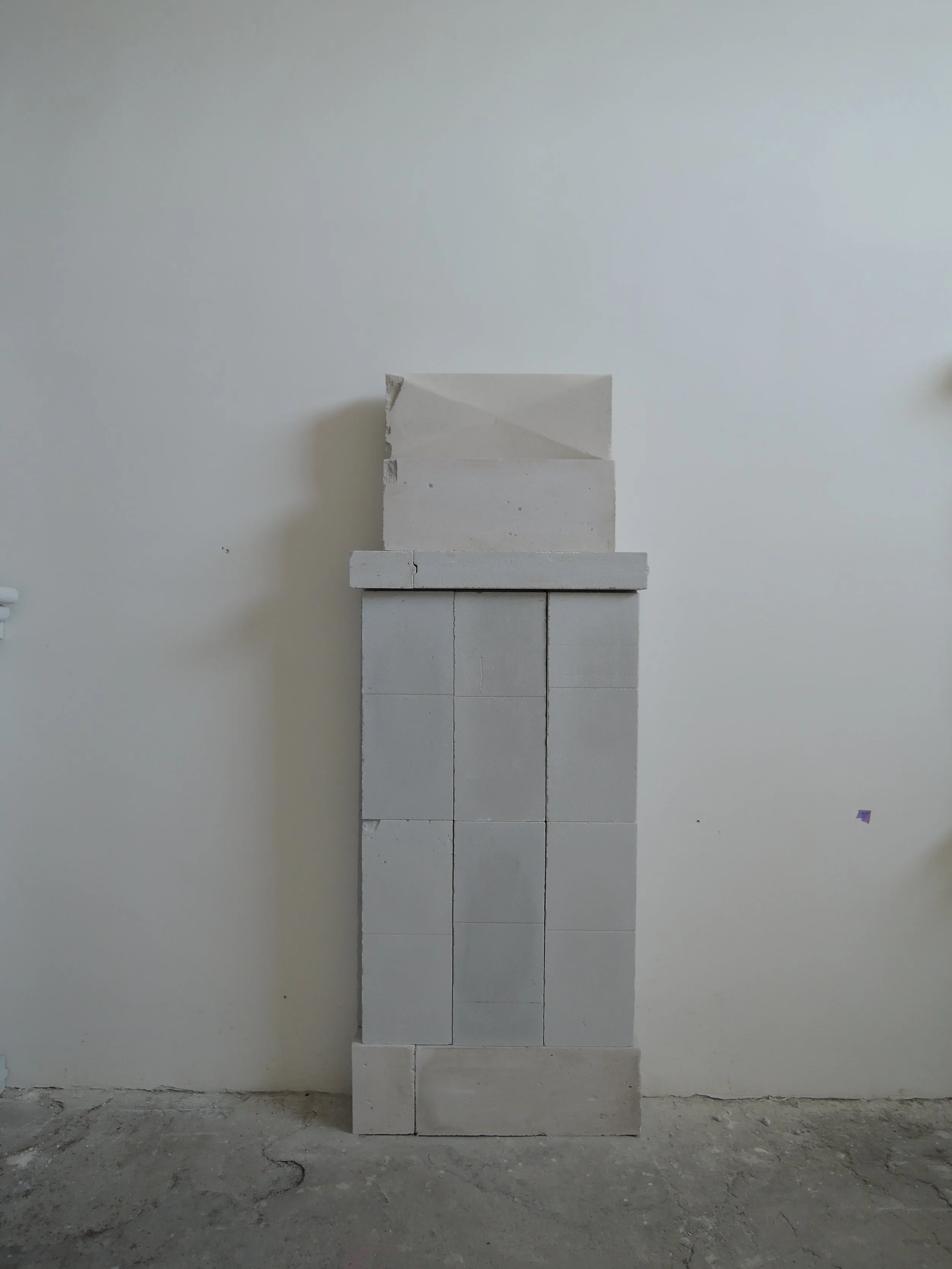
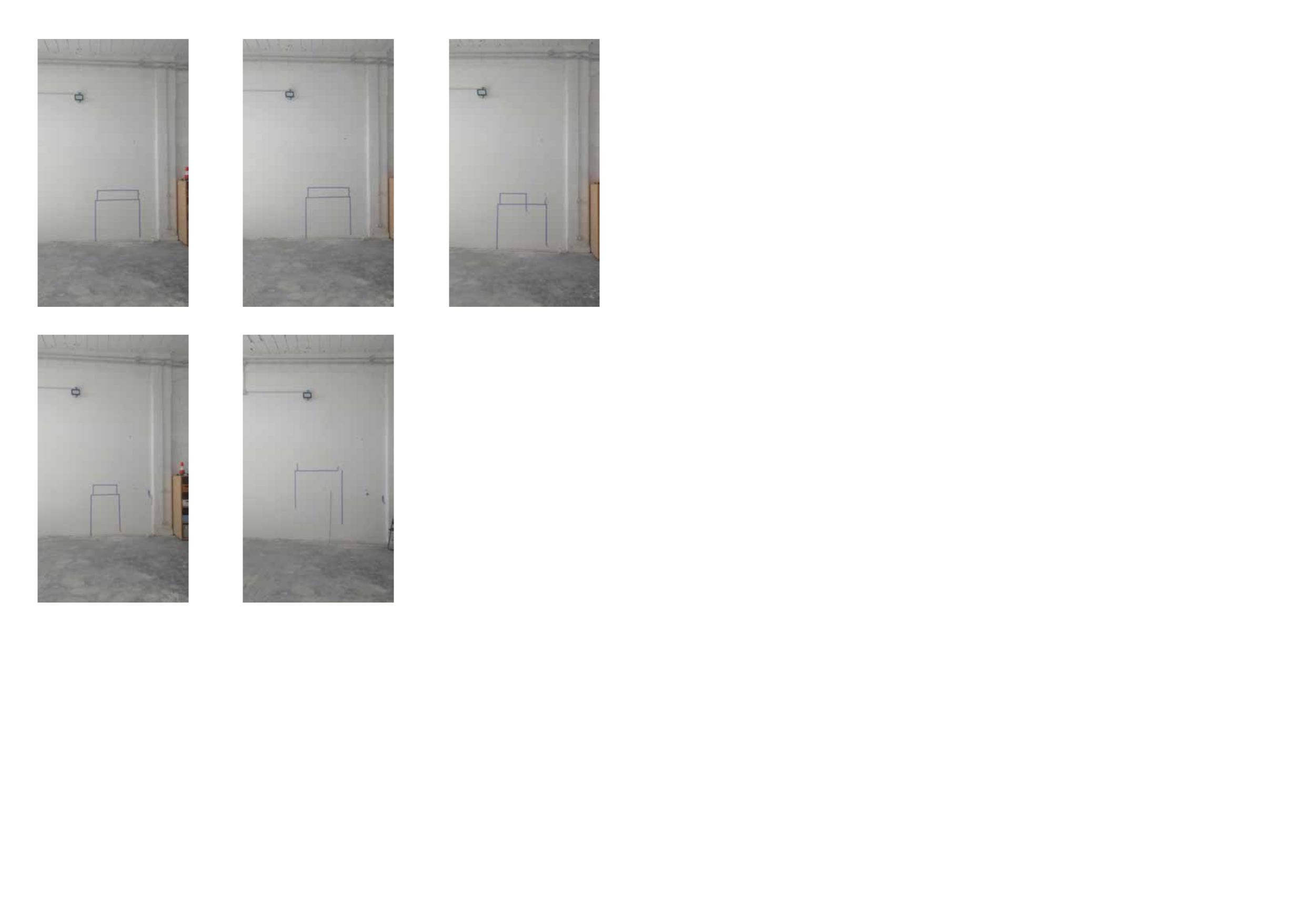
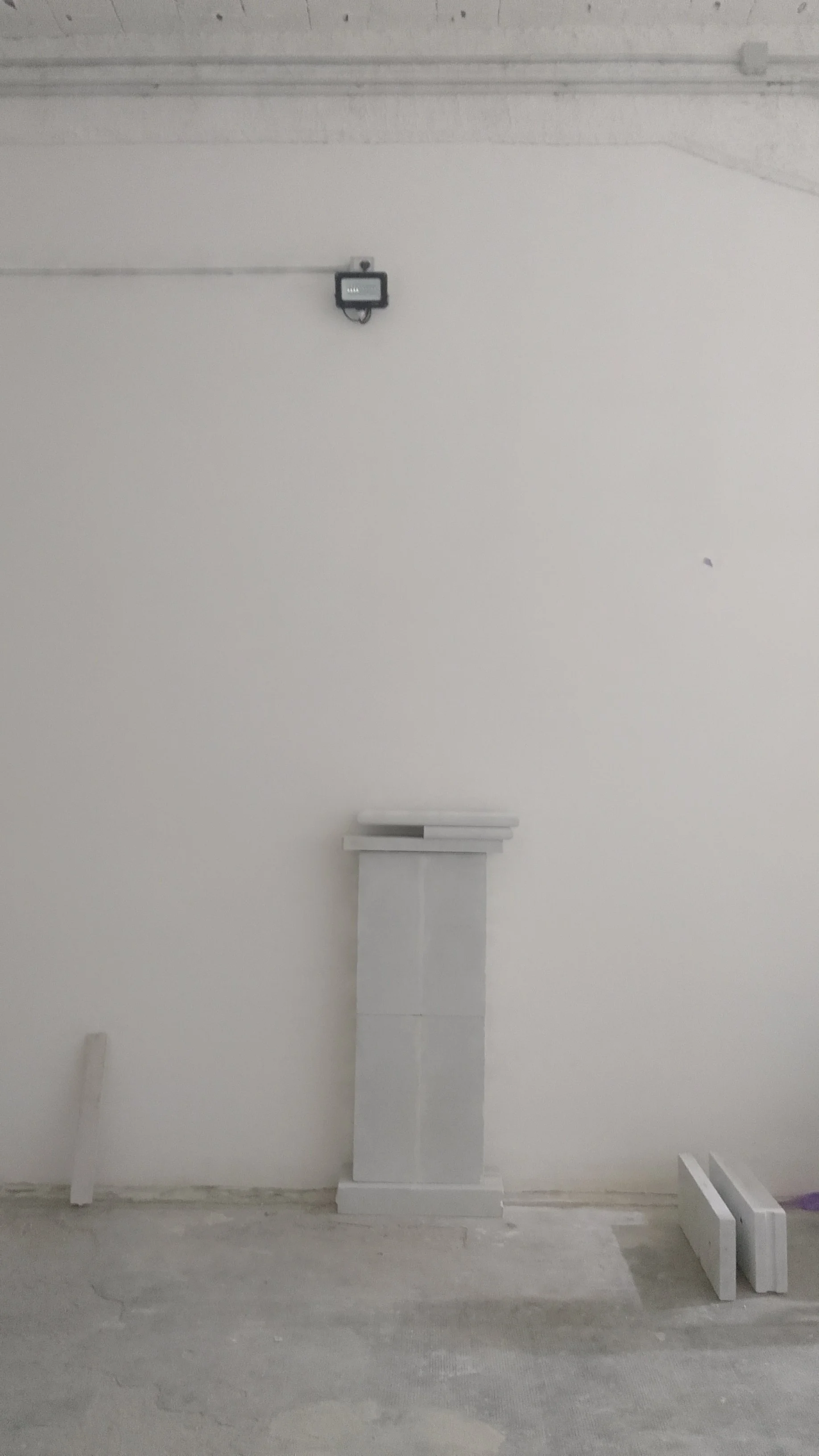
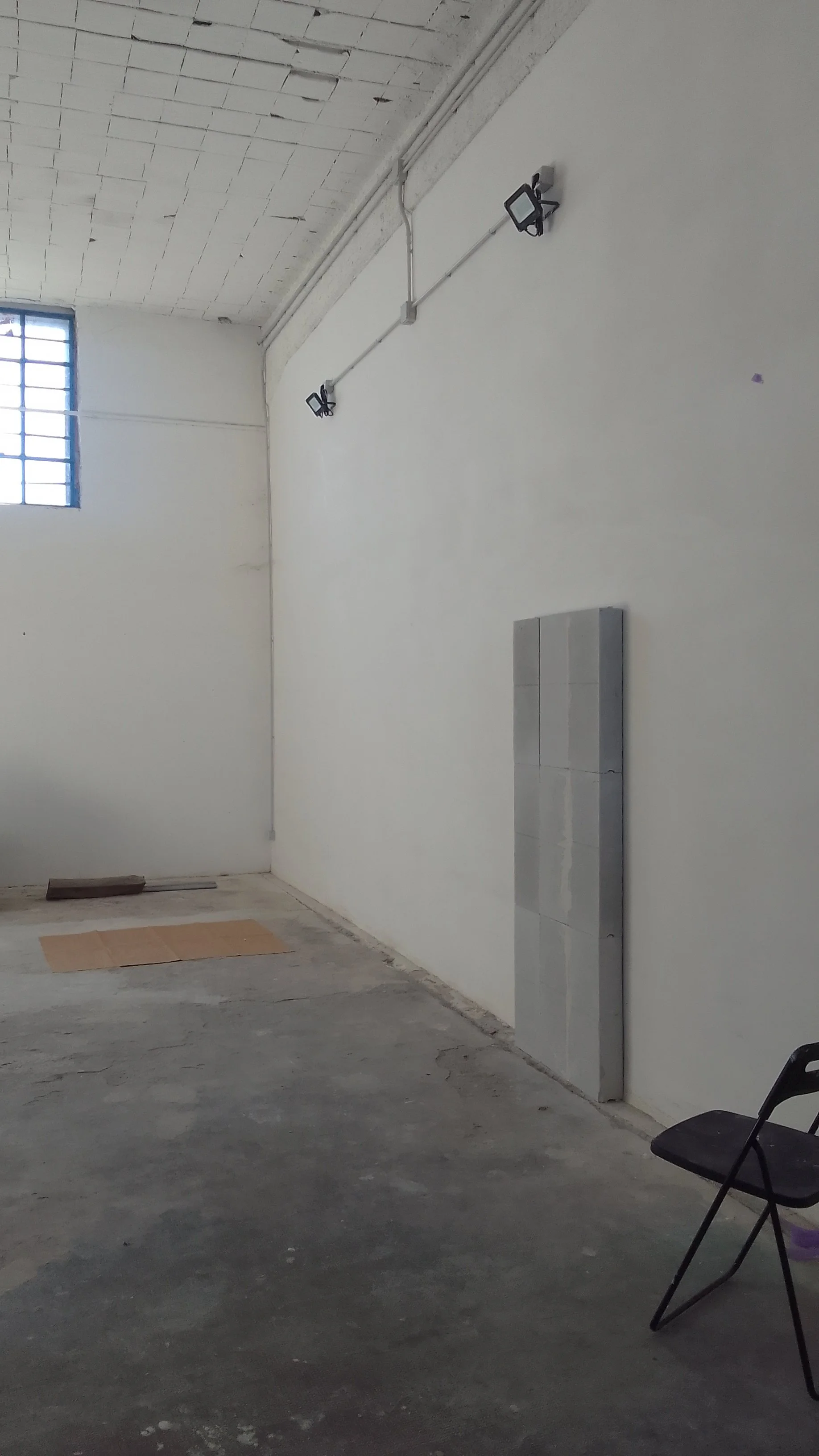
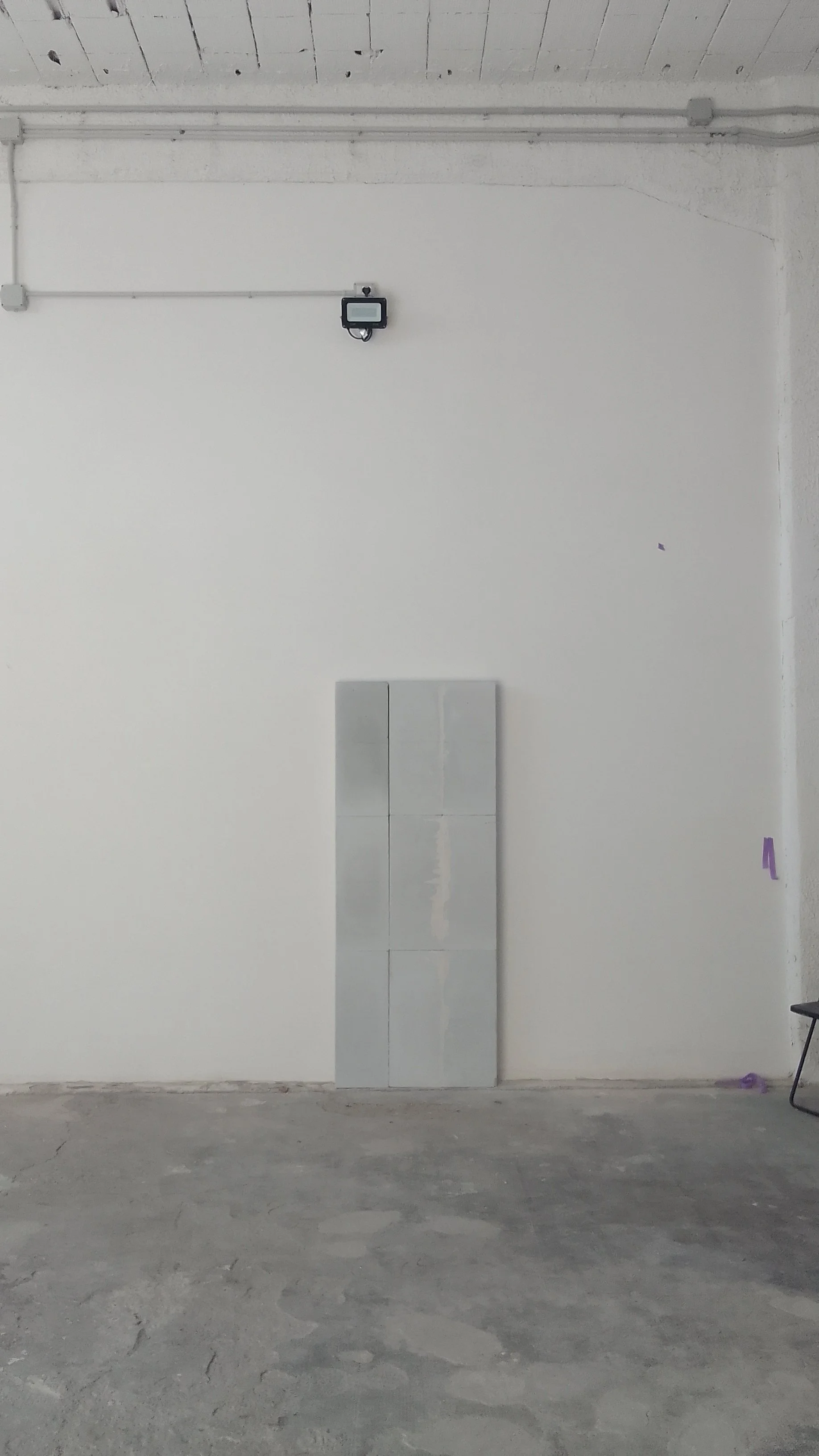
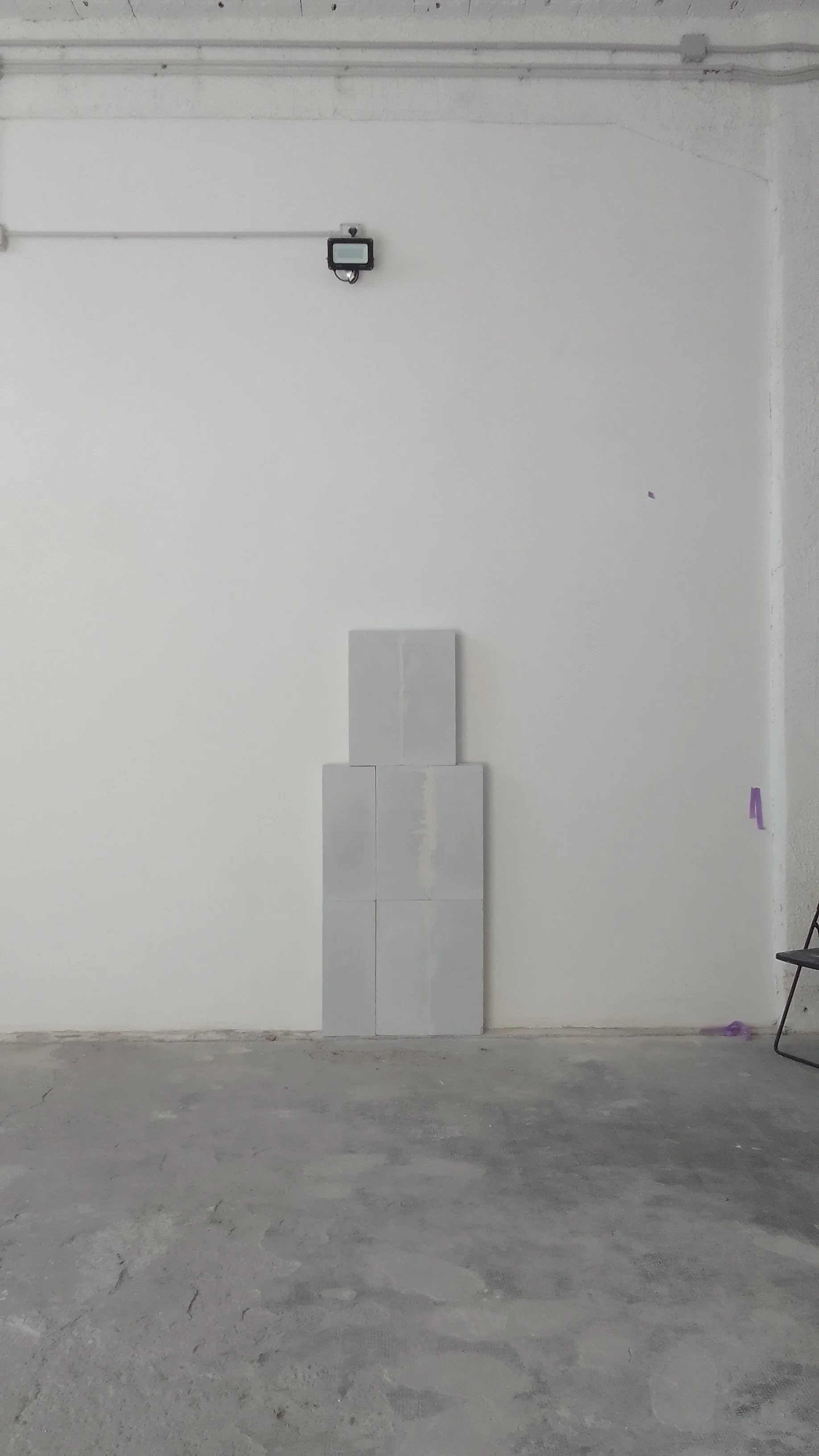
This series of works lies thematically between architecture and fine art. It deals with the architectural wall element ‘pilaster’ and the philosophical concept of the “fold”. I have been interested in the wall element ‘pilaster’ for several years as an object that oscillates between image and body due to its form (relief body). It plays with light and raises the questions: ‘What or when is something an image – when is something a body?’ This is a discourse that can be interpreted and negotiated in many ways in both architecture and art (especially in the history of sculpture). Alberto Calderoni (architect) writes:
«Il pilastro è l’elemento del codice tipico del linguaggio architettura [...]. Vista la sua capacità comunicatica e formale – di essere allo stesso tempo elemento sottile ma mnemonicamente legato ad un‘idea atavica di protezione (attraverso il suo essere sezione minima di muro ovvero legato all‘immagine della parete rocciosa della caverna) – il pilastro è strutturalmente condizione necessaria per l‘esostenza di una trave, ovvero per la costruzione di un telaio ». 1
My research can serve as inspiration and criticism as contribution to culture and constructions. Urban space is the main source of reference for my artistic practice and reflection, and as Calderoni writes, the pilaster is a pillar of architectural history that has a decisive influence on the reading and structuring of urban space. With Robert Smithson's reference to Incidents of Mirror-Travel in the Yucatan, 1969, I pay homage to the invisible presence that is important to every urban space, to every sense of magic and beauty. With Barthes, I substantiate my artistic freedom.
«If you visit the sites (a doubtful probability) you find nothing but memorytraces, for the mirror displacements were dismantled right after they were photographed. The mirrors are somewhere in New York. The reflected light has been erased. Remembrances are but numbers on a map, vacant memories constellating the intangible terrains in deleted vicinities. It is the dimension of absence that remains to be found. The expunged color that remains to be seen. The fictive voices of the totems have exhausted their arguments. Yucatan is elsewhere». 2
1 Alberto Calderoni, Appunti dal visibile, capitolo Il linguaggio e l’architettura, LetteraVentidue, Siracusa 2016, p.118
2 Robert Smithson, The collected writings, University of California Press, New York 1996, p.132/133
Photo credits Antonello Scotti at Open Studio Day march 2025